Is Downtown Newark Safe? A Practical Guide for Apartment Hunters
Research downtown Newark safety through current data, your daily routes and apartment access. Use a practical checklist before choosing a rental.
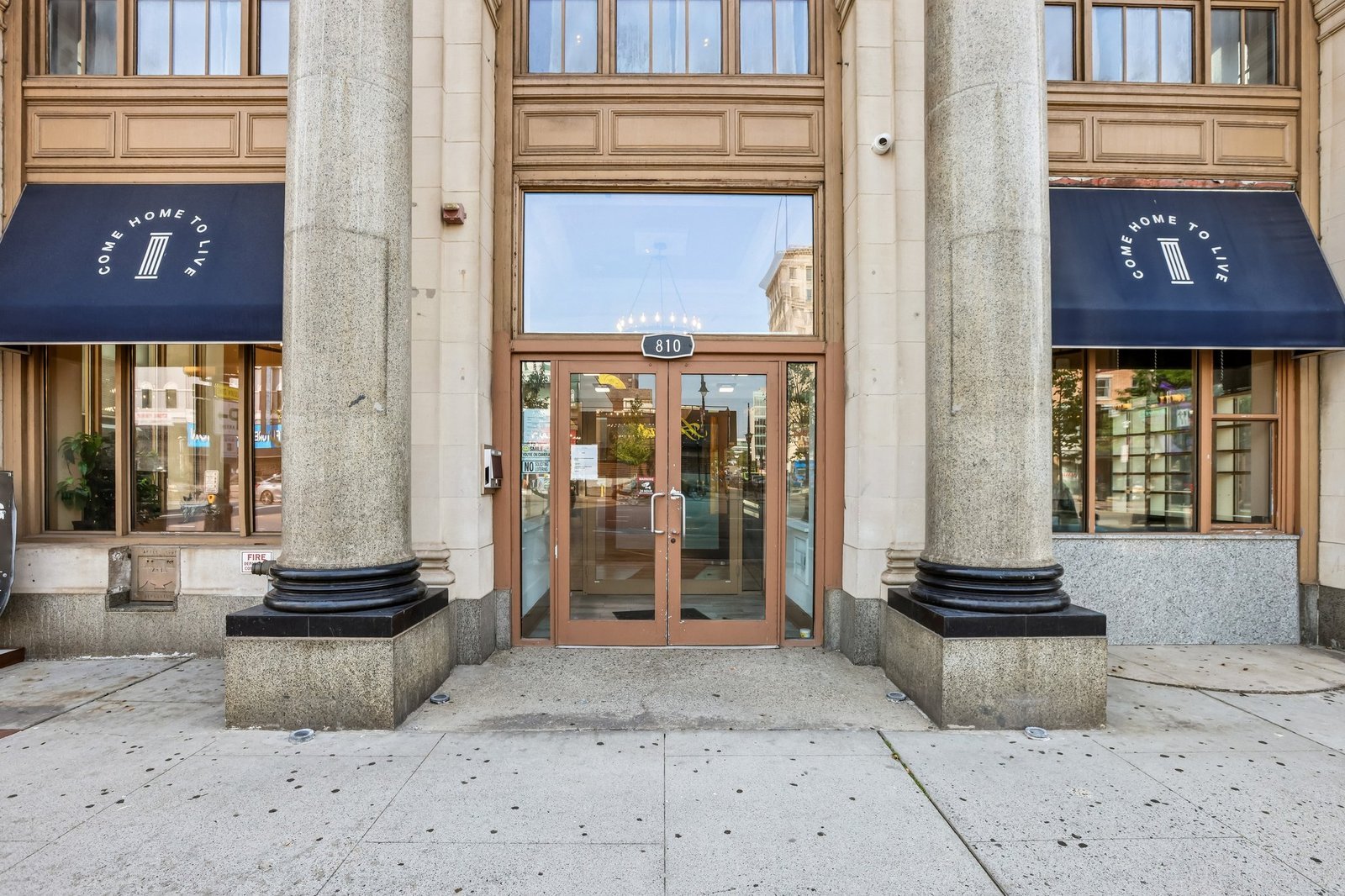
Actual 810 Gibson gallery photograph. The residence shown is representative; layouts and furnishings vary by unit.
If you are asking whether downtown Newark is safe, begin with the places and times that would shape your life there. A citywide label cannot describe every block, station approach or apartment entrance. Current data, a purposeful neighborhood visit and clear information about building access offer a more useful basis for a rental decision.
Downtown Newark includes workplaces, residences, transit connections and event destinations. Your experience may differ between a weekday afternoon, a concert evening and the hour you return from work. Evaluate those situations separately rather than relying on a single reassuring slogan or alarming anecdote.
Read the data at the right scale
The Newark Public Safety Collaborative dashboard provides crime data and place-based analysis. Check the date range, geographic area and offense category before interpreting a number. A citywide count is different from a pattern around one route, and a recorded incident count is different from a personal probability of harm.
Look for the dashboard's latest update rather than assuming that a page viewed today contains incidents through today. Changes in reporting, geographic boundaries and the period being compared can affect conclusions. Use the underlying information to frame better questions; avoid turning a map color into a guarantee about an apartment.
Walk the routes you would actually use
Choose the station entrance, grocery destination and parking location that would feature in your week. Visit at a relevant time when practical. Observe crossings, lighting, pedestrian activity, construction and the approach to the residential entrance. Consider how the same trip works with bags, in rain or when a usual entrance is closed.
If you are considering 810 Gibson, start at 810 Mayor Kenneth A. Gibson Boulevard. Use the neighborhood page to identify destinations, then check the actual route. A nearby landmark does not establish the condition of every street between it and your front door.
Ask how access works after office hours
A useful building conversation covers how residents enter, how visitors are admitted, where packages are collected and how access problems are reported. Ask what happens when you lose a key or return outside normal leasing hours. Have the team explain the current arrangements during your tour.
Distinguish an attended lobby, a controlled entrance and a staffed leasing office. They describe different functions. A photograph of a reception desk cannot verify staffing hours, monitoring or response procedures. Security features can support daily operations, but no feature establishes that incidents cannot occur.
Compare information without ranking residents
Ask the same factual questions at every building. Keep a short record of what you observed, what management confirmed and what remains unresolved. A second visit may be worthwhile when the return route or building entrance is decisive.
Avoid neighborhood judgments based on who appears to live there. Focus on relevant conditions, published information and your practical needs. If access requirements affect your route or apartment choice, discuss the specific physical features you need.
For a focused visit, bring five questions: Which entrance will I use? How does visitor access work? Where will I collect deliveries? Who handles an access problem? What is my alternative route home?
You do not need to settle every opinion about Newark before deciding whether an apartment fits. You do need enough reliable information about the home and journeys you are considering. Schedule an 810 Gibson tour and combine it with a visit to the routes that matter to you.